
Summer Sunshine
Tips to ensure a well-rounded summer
Eating nutritious food on the go
Summer is a busy time for everyone. We know firsthand how hard it can be
to maintain consistency when you are traveling, away from a kitchen, or
don't have access to your normal grocery store.
One tip from us is to plan ahead of time! This helps eliminate unnecessary
purchases and food waste. If you are going out of town and know you will
only be eating out half the day and eating what you bought the other half, it
is smart to plan what you want to buy before you get to your destination.
Don’t feel guilty if you don’t stick to a meal plan or don’t meet your goals on
vacation. Meeting your nutrition goals is all about balance. Everyone's goals
are different, check out what a dietitian eats in a day at the bottom of our
‘sources’ page, to see for yourself! Trying to follow a strict regimen is difficult
for even us! So, give yourself some grace and celebrate wins, no matter the
size, on vacation!
Hydration strategies
Summer is hot, especially here in Kansas, where
the weather can change within the hour.
Electrolyte drinks can seem like a quick fix, but
most of us do not need the amount of sodium
they contain, given our sodium intake
throughout the day. Some ideas we have to
keep up with your water intake throughout the
day are to:
- Challenge a coworker to see who can drink the most water per day
- Buy a new, fun water bottle to encourage hydration
- Add fruit to your drink to spruce it up
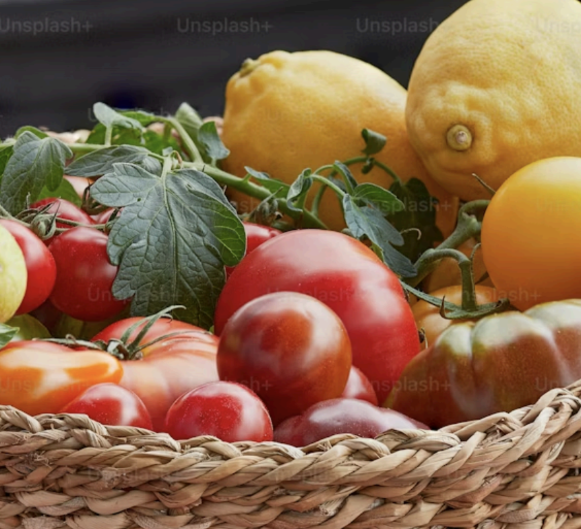
Seasonal produce
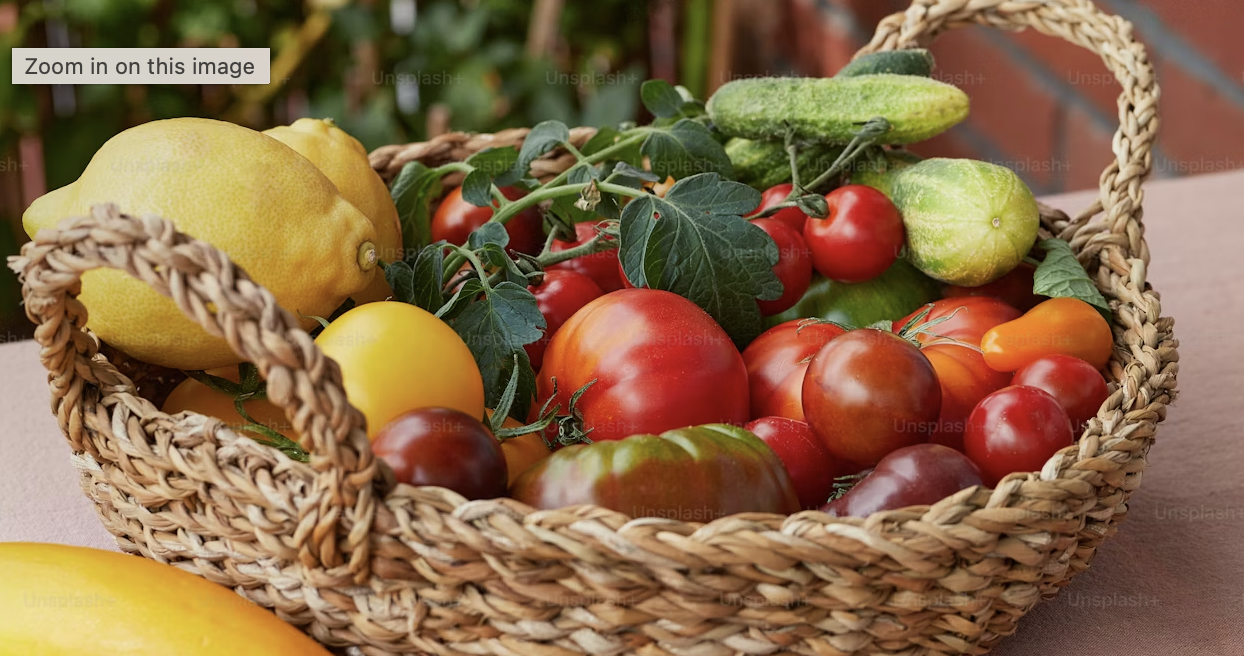
We love seasonal produce over here, and so
should you! Here are a few reasons you should
take advantage of seasonal produce,
specifically at the farmer’s market this summer:
- Supports local producers
- Often cheaper than store-bought
- Greater variety, some produce can’t be frozen
- Flavorful, and the taste is often better
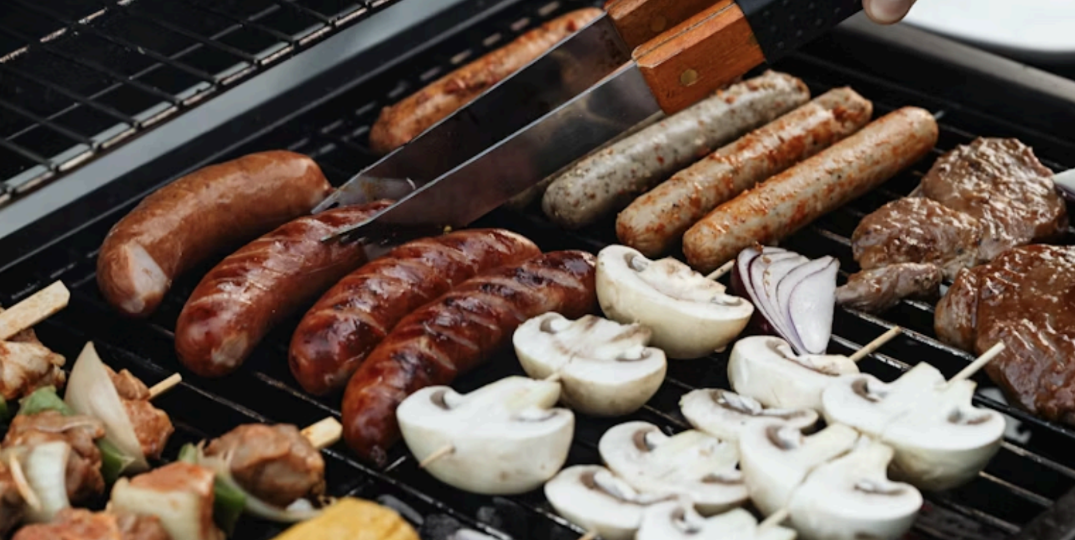
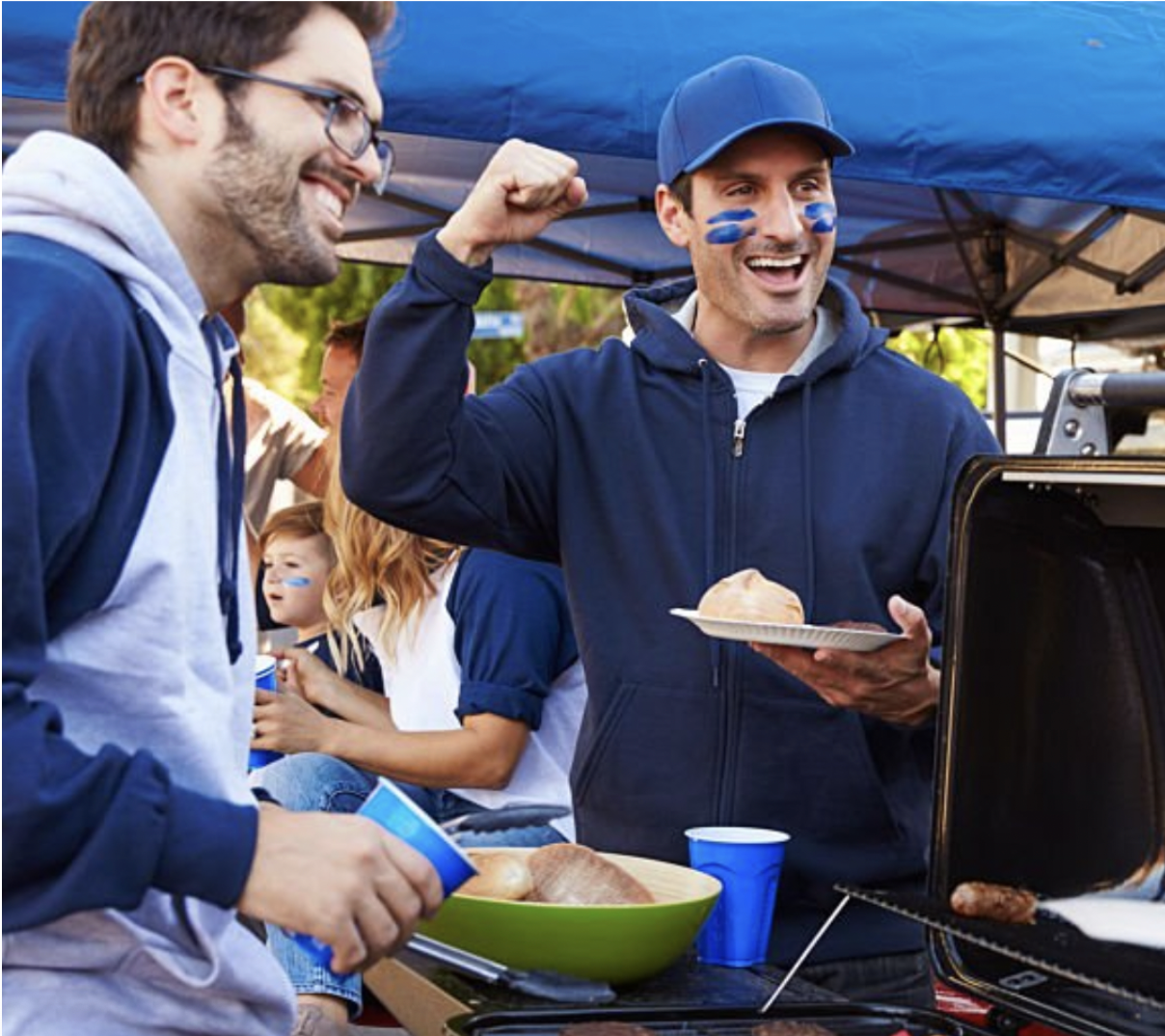
Grilling for Success
We know many people are breaking out their grills to be used this summer. We have some tips on how to keep them clean, maintain an even internal temperature on meat, and keep up with maintenance! To achieve grilling success, clean and oil your grill grates before preheating on high for 10–15 minutes. Check out the USDA’s 10 steps to grilling:
1. Clean Your Grill. Scrub the grill clean before use
2. Defrost Safely
- Thaw frozen beef, poultry, or fish safely in the refrigerator, cold water, or a microwave oven
- Cook immediately after thawing
3. Avoid Cross Contamination.
- Separate raw meat and vegetables by using different cutting boards
4. Check Internal Temperatures. Cook food to a safe minimum internal temperature by using a
food thermometer:
- Whole cuts of meat: 145 F with a three-minute rest time
- Fish: 145 F
- Ground meats: 160 F
- Egg dishes: 160 F
- Poultry (ground or whole): 165 F
5. Thoroughly Cook Frozen Meat
- Although frozen products may appear to be pre-cooked or browned, treat them as raw food and cook thoroughly
- Products labeled as “Cook and Serve,” “Ready to Cook,” and “Oven Ready” must be cooked
6. Use Food Thermometers Correctly
7. Beware of the Danger Zone.
- Bacteria multiply rapidly between 40 F and 140 F.
- USDA recommends that perishable food be consumed or refrigerated within two hours (one hour in room or outdoor temperatures of 90 F and above).
8. Store Leftovers Properly.
- Divide leftovers into smaller portions and place them in shallow containers in your refrigerator or cooler.
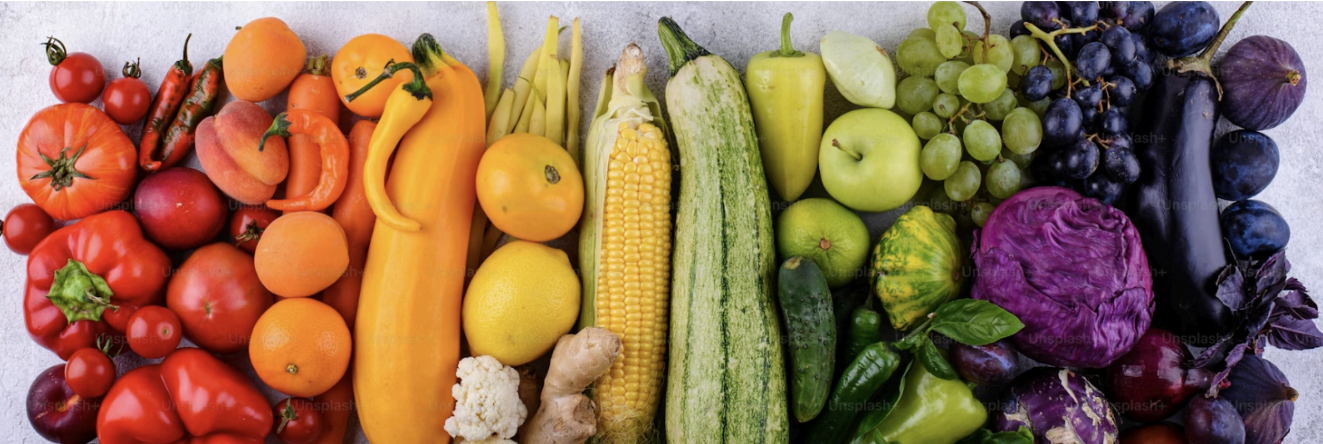
Benefits of eating the rainbow
Eating a wide variety of fruits and vegetables is proven to be good for your health! The term “eat the rainbow” was coined in the early 2000s, with the USDA often taking credit.
A colorful plate is shown to aid in:
● Improved vision
● Decreased inflammation
● Reduced risk of chronic diseases, including cancer, heart disease, and diabetes
● Strengthened immune system
These benefits are due to something called phytochemicals, which are bioactive, non-nutrient compounds produced by plants to provide color, flavor, and protection against diseases. Each color group is broken down into different phytochemicals, so let’s explain what each color can do for your health!
Red fruits and vegetable
- contain lycopene, which improves heart health, decreases prostate and breast cancer risk, contributes to stroke prevention, and increases brain function
- Examples of lycopene include tomatoes, beets, radish, cherries, strawberries, red onions, and red peppers.
Orange and yellow fruits and vegetables
- contain carotenoids, which reduce the risk of heart disease and inflammation, strengthen the immune system, build healthy skin, and improve vision
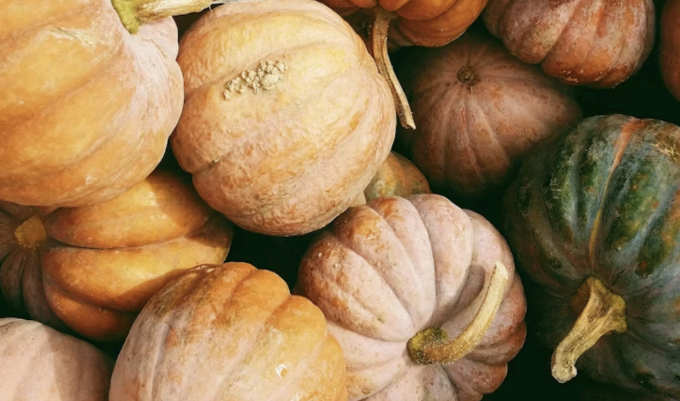
- Examples of carotenoids include carrots, winter squash, apricots, yellow peppers, sweet potatoes, bananas, pineapple, mangoes, pumpkins, peaches, and oranges
Green fruits and vegetables
- contain indoles and isothiocyanates, which may help prevent cancer
- Typically, these foods are high in vitamin K, potassium, fiber, and antioxidants
- They also contain folic acid, which helps prevent neural tube defects in babies (spina bifida)
- Examples are spinach, arugula, broccoli, brussels sprouts, avocados, kiwis, green tea, asparagus, fresh green herbs, kale, and artichokes
White and brown fruits and vegetables
- contain flavonoids and allicin, which have anti-tumor properties
- They can also reduce cholesterol and blood pressure, improve bone strength, and decrease the risk of stomach cancer
- Examples include onions, mushrooms, cauliflower, garlic, and leeks
Blue and purple fruits and vegetables
- contain anthocyanins and antioxidants, which are associated with improved brain health and memory
- They also help lower blood pressure and reduce the risk of stroke and heart disease
- Examples are blueberries, blackberries, eggplant, figs, purple cabbage, concord grapes, and plums
Sources:
(Mayo Clinic)
https://newsnetwork.mayoclinic.org/discussion/eat-the-rainbow-for-good-health/
(Weber)
https://www.weber.com/US/en/blog/tips-techniques/ten-essentials-for-better-grilling/weber-31137.html
(USDA)
https://www.usda.gov/about-usda/news/blog/your-top-10-food-safety-tips-summer-grilling
(Blog)
Manhattan Nutrition Clinic Blog